Dosage & Administration Guide

Comprehensive Mebendazole dosage and administration guidelines for all age groups and infection types. WHO-recommended dosing regimens with detailed administration instructions for healthcare professionals.

WHO Guidelines Pediatric Dosing Adult Dosing Treatment Regimens
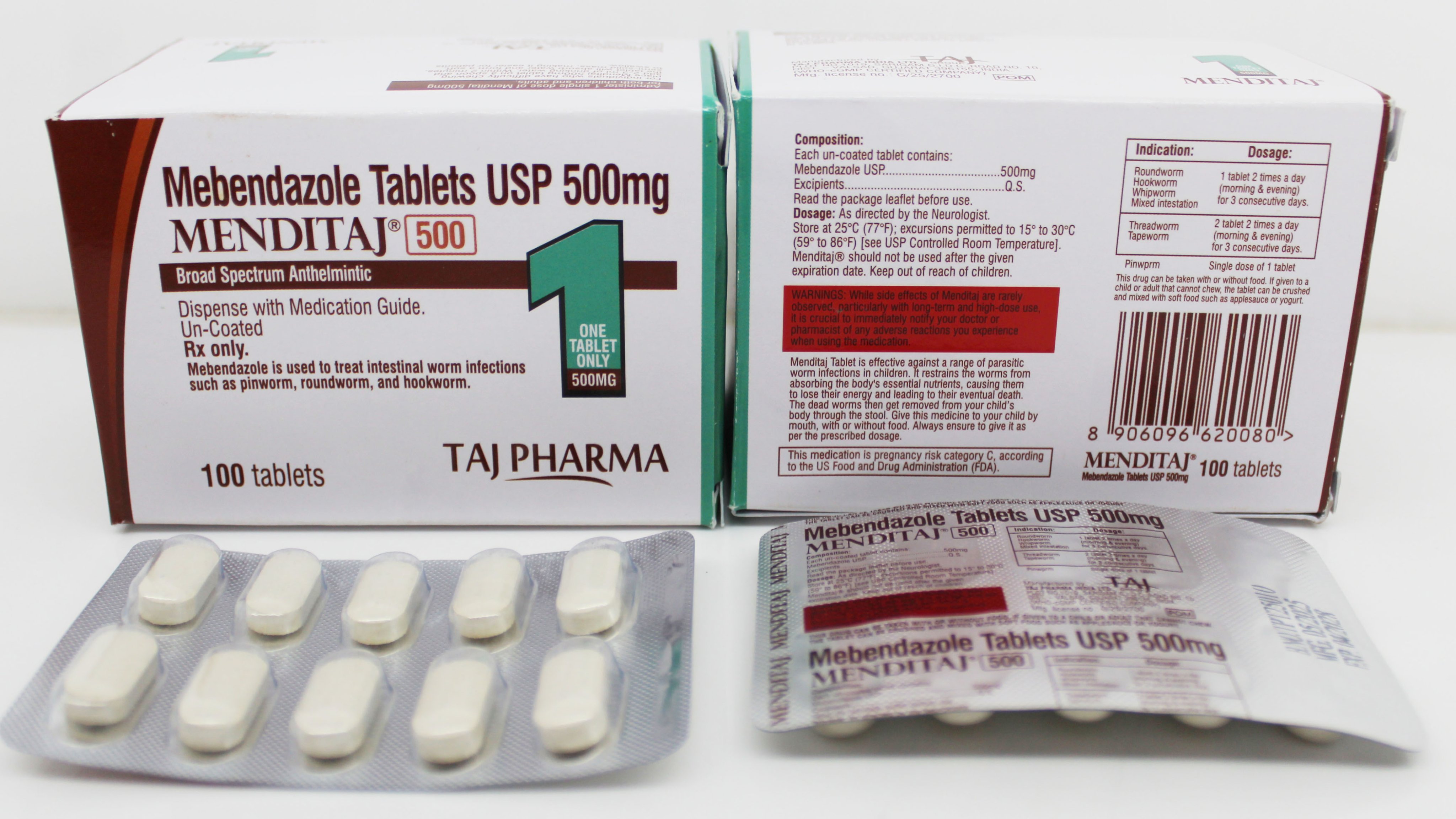
Mebendazole Dosage Administration

Dosage Overview

Mebendazole dosage varies based on age, infection type, and severity. The following guidelines provide comprehensive dosing information for different clinical scenarios and patient populations.

Standard Formulation: 500mg chewable tablets for adults and older children
Pediatric Formulation: 100mg tablets for younger children and precise dosing
Administration: Can be taken with or without food, chewed or swallowed whole
Safety Profile: Excellent safety profile with minimal side effects

Adult Dosage Guidelines

Standard Adult Dosing

Infection Type Dosage Duration Frequency
Roundworm (Ascaris) 500mg 1 day Single dose
Pinworm (Enterobius) 100mg 1 day Single dose
Hookworm 500mg 3 days Once daily
Whipworm (Trichuris) 500mg 3 days Twice daily
Mixed Infections 500mg 3 days Twice daily

Special Adult Populations

Elderly Patients (>65 years)

Standard dosing applies. Monitor for potential side effects. No dose adjustment required unless renal impairment.

Obese Patients

Standard dosing applies. No dose adjustment based on body weight for Mebendazole.

Post-Surgical Patients

Can be administered post-surgery. No specific timing restrictions.

Patients with Allergies

Contraindicated in patients with known hypersensitivity to Mebendazole or benzimidazoles.

Pediatric Dosage Guidelines

Age-Based Dosing

Age Group Dosage Duration Frequency
1-2 years 100mg 1 day Single dose
2-12 years 100mg 1 day Single dose
12+ years 500mg 3 days Twice daily
Heavy Infections 100mg 3 days Twice daily

Weight-Based Dosing

Weight Range Dosage Duration Frequency
10-20 kg 100mg 1 day Single dose
20-30 kg 200mg 1 day Single dose
30-40 kg 300mg 1 day Single dose
>40 kg 500mg 3 days Twice daily

Administration Instructions

How to Take Mebendazole

With or Without Food

Mebendazole can be taken with or without food. However, taking it with a fatty meal may enhance absorption.

Chewing Instructions

Chew the tablet thoroughly before swallowing. For children who cannot chew, crush the tablet and mix with a small amount of food.

Fluid Intake

Take with a full glass of water to ensure proper swallowing and absorption.

Timing

Take at the same time each day for multi-day regimens to maintain consistent drug levels.

Special Administration Considerations

Difficulty Swallowing: Crush tablet and mix with food
Nausea/Vomiting: Take with light meal
Children: Supervise administration
Elderly: Ensure proper swallowing
Multiple Doses: Space doses 12 hours apart
Missed Dose: Take as soon as remembered

Treatment Regimens by Infection

Detailed Treatment Protocols

Roundworm (Ascaris lumbricoides)

Standard Dose: 500mg single dose

Alternative: 100mg twice daily for 3 days

Efficacy: 95% cure rate

Follow-up: Repeat stool examination after 2 weeks

Pinworm (Enterobius vermicularis)

Standard Dose: 100mg single dose

Repeat Dose: Repeat after 2 weeks to prevent reinfection

Family Treatment: Treat all family members simultaneously

Efficacy: 100% cure rate

Hookworm (Ancylostoma/Necator)

Standard Dose: 500mg daily for 3 days

Heavy Infection: 500mg twice daily for 3 days

Efficacy: 85% cure rate

Follow-up: Monitor hemoglobin levels

Whipworm (Trichuris trichiura)

Standard Dose: 500mg twice daily for 3 days

Heavy Infection: 500mg twice daily for 5 days

Efficacy: 65% cure rate

Alternative: Consider combination therapy

Special Population Considerations

Pregnancy and Lactation

Pregnancy Category

Mebendazole is classified as FDA Pregnancy Category C. Use only if benefits outweigh risks.

First Trimester

Avoid use during first trimester unless absolutely necessary.

Second/Third Trimester

Can be used with medical supervision for severe infections.

Breastfeeding

Excreted in breast milk. Use with caution, monitor infant for side effects.

Renal and Hepatic Impairment

Mild Renal Impairment: No dose adjustment required
Moderate-Severe Renal: Use with caution, monitor closely
Mild Hepatic Impairment: No dose adjustment required
Moderate-Severe Hepatic: Use with caution, monitor liver function
Dialysis Patients: Not removed by dialysis, standard dosing

Side Effects Management

Common Side Effects

Abdominal Pain (2-5%)

Management: Take with food, ensure adequate hydration

When to Contact: Severe or persistent pain

Diarrhea (1-3%)

Management: Increase fluid intake, avoid spicy foods

When to Contact: Severe diarrhea, signs of dehydration

Headache (<1%)

Management: Rest, over-the-counter pain relievers

When to Contact: Severe or persistent headache

Rare Side Effects

Allergic Reactions: Rash, urticaria, angioedema (<0.1%)
Neurological: Dizziness, drowsiness (<0.1%)
Hepatic: Elevated liver enzymes (rare)
Hematological: Neutropenia, agranulocytosis (very rare)
Dermatological: Stevens-Johnson syndrome (extremely rare)

Drug Interactions

Potential Interactions

Minimal Interactions

Mebendazole has minimal drug interactions due to poor systemic absorption. Most commonly used medications can be co-administered safely.

Antacids

May reduce absorption. Take Mebendazole 2 hours before or after antacids.

Cimetidine

May increase Mebendazole levels. Monitor for increased side effects.

Phenytoin, Carbamazepine

May reduce Mebendazole effectiveness. Monitor treatment response.

Overdose Management

Acute Overdose

Symptoms

Abdominal cramps, nausea, vomiting, diarrhea, headache, dizziness. Symptoms are usually mild and self-limiting.

Treatment

Gastric lavage within 1 hour of ingestion. Activated charcoal to reduce absorption. Symptomatic and supportive care.

Emergency Contact

Contact poison control center immediately. Seek medical attention for large overdoses or severe symptoms.

Monitoring Parameters

Baseline Assessment

Medical History: Complete medical and medication history
Laboratory Tests: CBC, liver function tests (if indicated)
Stool Examination: Baseline parasite identification
Physical Exam: Complete physical examination

Follow-up Monitoring

Post-Treatment: Stool examination 2-4 weeks after treatment
Symptom Review: Assess symptom resolution at follow-up visit
Side Effects: Monitor for adverse reactions during treatment
Laboratory: Repeat labs if clinically indicated
Retreatment: Consider retreatment if infection persists

Professional Dosage Guidance

Get comprehensive dosage guidelines and administration support for your healthcare practice. WHO-compliant dosing information with professional medical consultation.

Related Medical Information

Types of Intestinal Worms

Comprehensive guide to intestinal worms, symptoms, and treatment options with Mebendazole.

Worm Types
WHO Deworming Guidelines

World Health Organization guidelines for preventive chemotherapy and mass drug administration.

WHO Guidelines
HCP Resources

Healthcare professional resources including clinical guidelines and treatment protocols.

HCP Resources

Patient Information Leaflet

Important information for patients taking Mebendazole Tablets

Before Taking Mebendazole

Please read the Patient Information Leaflet carefully before taking this medicine. It contains important information about dosage, side effects, and precautions.

Need more information? Contact us or get a quote

Our team is ready to provide you with the best pharmaceutical products and support

Chat with us
Need help?
Chat with our pharmaceutical experts